From Volatile Demand to Predictable Revenue: How AI Voice Agents Stabilize and Scale Mover Growth by 2026
Transforming the unpredictable moving industry into a model of stable, scalable growth. Discover how AI voice agents are the bedrock of revenue predictability by 2026.
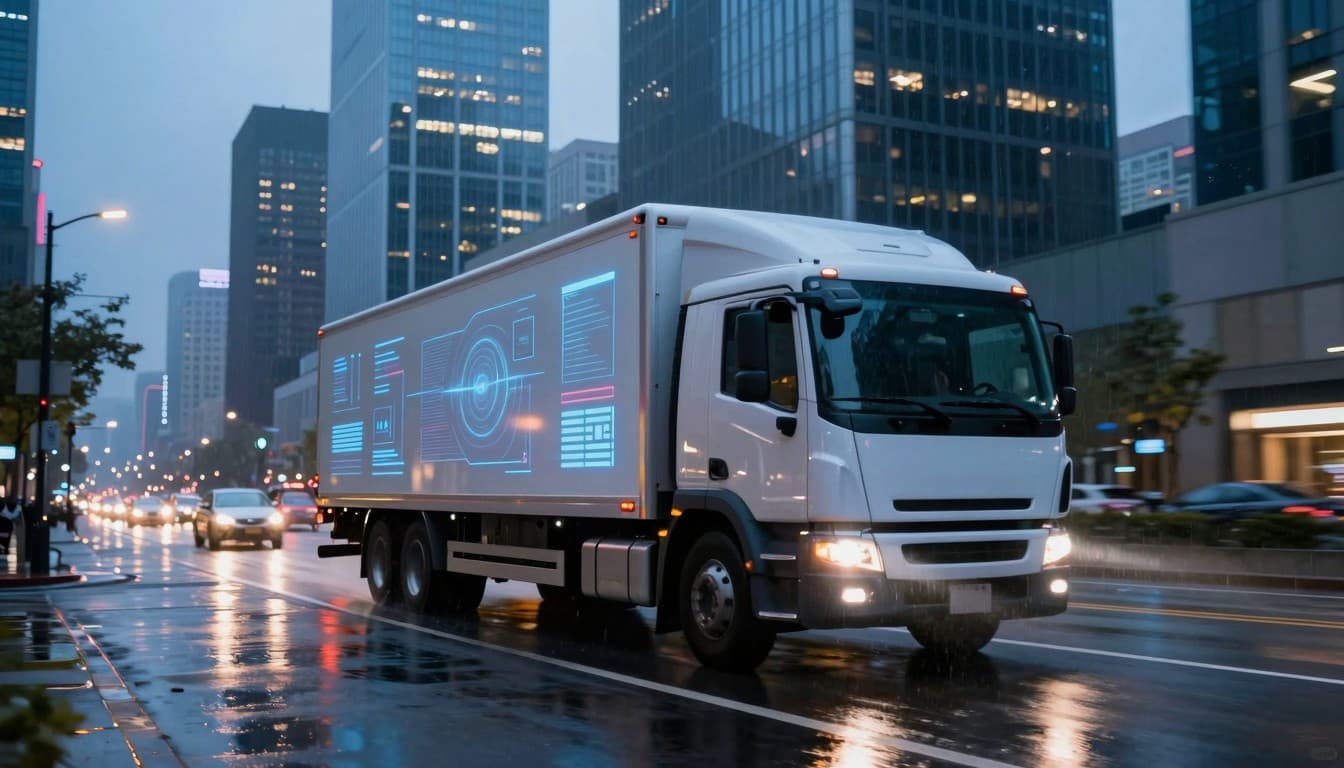
The moving industry has historically been defined by its inherent unpredictability. A landscape shaped by seasonality, economic fluctuations, and the highly personal, often emotional, nature of relocation decisions. For decades, businesses have grappled with the 'feast or famine' cycle – periods of overwhelming demand straining resources, followed by troughs that threaten solvency. This volatility makes strategic planning a high-stakes gamble, hindering sustainable growth and eroding profit margins.
However, as we progress through 2026, a fundamental shift is underway. The integration of advanced AI voice agents into the core operational fabric of moving companies is not just optimizing processes; it's fundamentally redefining the very nature of demand and revenue. We are no longer merely reacting to market forces; we are actively shaping them, converting the chaotic currents of mover demand into a predictable, scalable stream of revenue. This isn't just about efficiency; it's about engineering growth with algorithmic precision, making the vision of predictable revenue a tangible reality for forward-thinking moving enterprises.
The Shifting Sands of Mover Demand: A Pre-AI Retrospective
Before we delve into the transformative power of AI, it's crucial to understand the deeply entrenched challenges that have long plagued the moving sector. These weren't mere inconveniences; they were structural impediments to consistent growth and profitability.
The Cyclical Nightmare: Seasonality and Surge Pricing
The moving industry's peak season, typically late spring to early fall, has always been a double-edged sword. While it brought a surge in business, it also introduced immense operational strain. Companies scrambled to hire temporary staff, lease additional trucks, and manage an influx of inquiries. Off-peak seasons, conversely, saw resources lying dormant, revenue plummeting, and a constant pressure to cut costs. This cycle made long-term financial forecasting akin to crystal-ball gazing, with businesses constantly playing catch-up. Surge pricing during peak times, while necessary to capitalize on demand, often led to customer dissatisfaction and a perception of opportunism, impacting brand loyalty.
Lead Generation Lottery: Inconsistent Quality and Volume
Traditional lead generation relied heavily on fragmented sources: online directories, referrals, local advertising, and direct inquiries. The quality and volume of these leads were notoriously inconsistent. Sales teams spent invaluable time qualifying leads that were either not serious, outside their service area, or simply price shopping with no real intent to book. This inefficiency bloated Customer Acquisition Costs (CAC) and led to unpredictable sales pipelines, making it nearly impossible to forecast conversion rates accurately or allocate sales resources effectively.
Human Capital: The Bottleneck in Scaling
At the heart of the moving business are its people – drivers, packers, customer service representatives, and sales agents. While indispensable, human capital presents inherent limitations to scalability. Staffing up quickly for peak seasons is challenging, requiring extensive training and often compromising service quality. During off-peak, retaining top talent becomes difficult. More critically, human capacity for handling inquiries, qualifying leads, and managing logistics is finite. Overburdened teams lead to missed calls, slow response times, and ultimately, lost revenue opportunities, especially during critical decision-making windows for movers. The dream of rapid, consistent scaling remained elusive, tethered to the constraints of human availability and performance variability.
AI Voice Agents: The Architects of Predictable Demand
The advent of sophisticated AI voice agents has fundamentally rewritten the rules for managing demand in the moving industry. We've moved beyond simple chatbots to intelligent, empathetic, and highly capable digital entities that actively participate in and optimize the customer journey from the very first touchpoint.
24/7 Intelligent Intake and Qualification
Imagine never missing a potential lead, regardless of when they call, from anywhere in the world. This is the bedrock of predictable revenue that AI voice agents provide. Our AI agents operate around the clock, fielding every inbound call, email, or web inquiry with consistent professionalism and efficiency. They are programmed to go beyond simple data capture, intelligently qualifying leads by asking pertinent questions about move size, dates, locations, special requirements, and budget expectations.
As we explored in depth in our article, The Always-On Asset: How AI Voice Agents Transform Mover Intake into a High-ROI Growth Engine by 2026, the ability to capture and qualify every lead, regardless of time or volume, is foundational. This means our sales teams receive pre-qualified, high-intent leads, allowing them to focus on conversion rather than initial screening. The data collected by AI is structured, accurate, and immediately actionable, forming a rich database for predictive analytics and future outreach. This consistent, high-quality intake eliminates the "lead generation lottery" and lays a firm foundation for predictable sales pipelines.
Proactive Engagement and Demand Shaping
AI voice agents are not merely reactive tools; they are proactive engagement engines designed to anticipate and shape demand. Leveraging predictive analytics and historical data, these agents can identify potential movers even before they actively start searching. They can initiate outbound communications, offering personalized information, checklists, or preliminary quotes based on demographic trends, life events (e.g., property transactions), or even engagement with previous marketing campaigns.
Building on the concepts discussed in The Proactive Profit Frontier: Leveraging AI Voice Agents to Engineer Demand and Own the Mover's Purchase Journey by 2026, AI voice agents are not merely reactive tools. They can engage prospects in natural, human-like conversations, nurturing leads through the decision-making funnel. By providing relevant information, addressing concerns, and offering tailored solutions at precisely the right moment, we can influence customer choices and guide them towards our services. This proactive approach transforms a volatile market into a more controlled environment where demand is not just met but intelligently cultivated and steered.
Dynamic Pricing and Offer Optimization
One of the most powerful contributions of AI voice agents to revenue predictability is their ability to facilitate dynamic pricing and offer optimization. Gone are the days of static pricing models that fail to account for real-time market conditions, operational capacity, and individual customer profiles. AI analyzes vast datasets – including competitor pricing, internal resource availability (trucks, labor), historical demand patterns, current fuel costs, and even the specific details of a customer's move – to recommend or even directly quote optimal pricing.
This intelligence allows us to:
- Maximize revenue during peak periods without alienating customers by offering nuanced, value-added packages.
- Stimulate demand during off-peak times with targeted discounts or bundled services that fill capacity without deeply eroding margins.
- Personalize offers based on a customer's specific needs and stated preferences, increasing perceived value and conversion rates.
The result is a pricing strategy that is agile, intelligent, and continuously calibrated to generate the highest possible revenue for any given set of conditions, thereby smoothing out revenue peaks and troughs.
Seamless Customer Journey Orchestration
The customer journey in moving can be complex, involving multiple touchpoints and decision points. AI voice agents act as intelligent choreographers, ensuring a seamless, consistent, and high-quality experience from initial inquiry through to booking confirmation and beyond. They can answer FAQs, schedule estimates, collect necessary documentation, provide real-time updates, and even handle post-move follow-ups. This end-to-end orchestration reduces friction for the customer, minimizes administrative burden for human teams, and significantly improves conversion rates by preventing drop-offs due to delays or inconsistencies. A consistently excellent customer experience not only secures immediate bookings but also fosters loyalty and positive referrals, contributing to long-term predictable growth.
Scaling Operations with Algorithmic Precision
Predictable revenue is only half the equation; the ability to predictably fulfill that demand is equally critical. AI voice agents extend their transformative power beyond the front office, permeating operational logistics to ensure seamless scalability and efficiency.
Optimized Resource Allocation (Fleet, Labor)
The perennial challenge of matching fluctuating demand with finite resources—trucks, equipment, and skilled labor—has historically constrained growth. AI voice agents, by providing hyper-accurate forecasts of demand, enable a fundamentally more intelligent approach to resource allocation. They integrate with logistics platforms to predict which types of moves will occur, in which regions, and when. This foresight allows for:
- Proactive fleet management: Ensuring the right number and type of trucks are available where and when needed, minimizing idle time and maximizing utilization.
- Agile labor scheduling: Optimizing crew assignments, reducing overtime costs during peaks, and ensuring adequate staffing levels without over-staffing during lulls. This predictive capability transforms resource management from a reactive scramble into a strategic deployment, directly impacting operational efficiency and cost predictability. Our ability to scale operations up and down fluidly, guided by AI, means that every revenue dollar earned can be fulfilled efficiently and profitably.
Enhanced Sales Conversion and Team Empowerment
Instead of replacing human sales teams, AI voice agents elevate them to a higher strategic plane. By handling the initial qualification, data collection, and basic information dissemination, AI agents free human sales professionals to focus on what they do best: building rapport, negotiating complex deals, and closing high-value accounts. The leads passed to human agents are not just qualified; they are enriched with context, preferences, and even emotional cues gleaned from the AI's interaction. This leads to significantly higher conversion rates for human sales teams.
Moreover, AI provides sales teams with real-time insights into market trends, competitor activities, and individual customer predispositions, empowering them with a decisive advantage. As we explored in Elevating the Sales Floor: How AI Voice Agents Reshape Mover Sales Teams for Peak Profitability by 2026, this synergy between AI and human expertise optimizes the entire sales funnel, turning lead management into a finely tuned, high-performance engine that consistently drives predictable revenue growth.
Data-Driven Forecasting and Strategic Planning
The most profound impact of AI voice agents on predictability comes from their unparalleled ability to generate, synthesize, and analyze vast quantities of data. Every interaction, every inquiry, every data point captured contributes to a growing intelligence reservoir. This data is no longer siloed; it's integrated across CRM, ERP, and logistics systems, providing a holistic view of the business ecosystem.
This continuous stream of structured data enables:
- Hyper-accurate demand forecasting: Predicting not just volume, but also types of moves, preferred services, and geographical hotspots with unprecedented precision.
- Strategic market war-gaming: Simulating various market scenarios and assessing potential impacts on demand and revenue, allowing for proactive strategy adjustments.
- Identification of emerging trends: Spotting shifts in customer preferences or market conditions before they become widely apparent, enabling first-mover advantage.
This data-driven foresight transforms strategic planning from an educated guess into a scientific endeavor. Our leadership can make decisions based on concrete insights, ensuring that investments in marketing, expansion, and resource acquisition are precisely aligned with predictable future demand.
The Pathway to Sustained Competitive Advantage by 2026
By 2026, the adoption of AI voice agents is no longer a luxury but a strategic imperative for any moving company aiming for sustained growth and market leadership. The benefits extend far beyond immediate operational efficiencies.
Lowering Customer Acquisition Costs (CAC)
By automating lead qualification, reducing missed opportunities, and increasing conversion rates through personalized engagement, AI voice agents significantly drive down the cost of acquiring each new customer. Our marketing spend becomes more effective, delivering a higher ROI.
Elevating Customer Lifetime Value (CLV)
The consistent, high-quality experience delivered by AI, combined with personalized post-move follow-ups and re-engagement strategies, fosters stronger customer loyalty. Satisfied customers are more likely to use our services again (for storage, future moves) and refer us to their networks, increasing their overall lifetime value to the business.
Building an Adaptable, Resilient Business Model
In an increasingly unpredictable world, the ability to adapt quickly to market shifts is paramount. AI voice agents provide the real-time data, predictive insights, and operational agility needed to navigate economic downturns, unexpected surges, or competitive pressures with confidence. This resilience transforms the business model from fragile to robust, ensuring long-term viability and growth.
Implementation Checklist: Forging Your Predictable Future
For organizations ready to embrace this transformative shift and engineer predictable revenue streams, here's a practical checklist for implementing AI voice agents effectively:
- Conduct a Comprehensive Process Audit: Identify all current touchpoints, bottlenecks, and data gaps in your lead intake, sales, and customer service workflows.
- Define Clear Objectives and KPIs: What specific metrics (e.g., lead conversion rate, response time, CAC, call deflection rate) do you aim to improve with AI?
- Pilot AI for Lead Qualification and Intake: Start with automating the front end of your sales funnel. Focus on 24/7 availability, consistent data capture, and intelligent lead scoring.
- Seamless Integration with Existing Systems: Ensure your AI voice agents integrate flawlessly with your CRM, ERP, and scheduling software to create a unified data ecosystem.
- Train and Empower Human Teams: Educate your sales and customer service teams on how to leverage AI-qualified leads and data insights, positioning AI as an assistant, not a replacement.
- Iterate and Optimize Continuously: AI models improve with more data. Regularly review performance metrics, gather feedback, and fine-tune your AI agent's scripts, knowledge base, and decision-making parameters.
- Expand AI's Role Strategically: Once initial successes are achieved, explore extending AI capabilities into proactive engagement, dynamic pricing, post-move follow-ups, and operational logistics.
- Prioritize Data Security and Privacy: Ensure all AI implementations comply with relevant data protection regulations and maintain the highest standards of customer privacy.
- Monitor Market and Technological Advances: The AI landscape evolves rapidly. Stay informed about new capabilities and integrate them to maintain your competitive edge.
Conclusion
By 2026, the moving industry is no longer beholden to the whims of volatile demand. Through the strategic deployment of AI voice agents, we have ushered in an era of unprecedented predictability – not just in revenue, but across every facet of operations. These intelligent assistants have become the unseen force multipliers, transforming raw inquiries into qualified opportunities, optimizing resource allocation, and empowering human teams to achieve peak performance.
The journey from chaotic cycles to stable, scalable growth is now a well-defined path. It's a path forged by leveraging AI to understand, anticipate, and actively shape the market. The future of moving is predictable, profitable, and relentlessly customer-centric. The time to architect your predictable future, if you haven't already, is now.