Synthesizing Demand & Supply: How AI Voice Agents Engineer Optimal Mover Resource Allocation for Unrivaled ROI by 2026
Discover how AI voice agents are revolutionizing mover operations, seamlessly matching demand with supply for peak efficiency, reduced costs, and unmatched ROI by 2026.
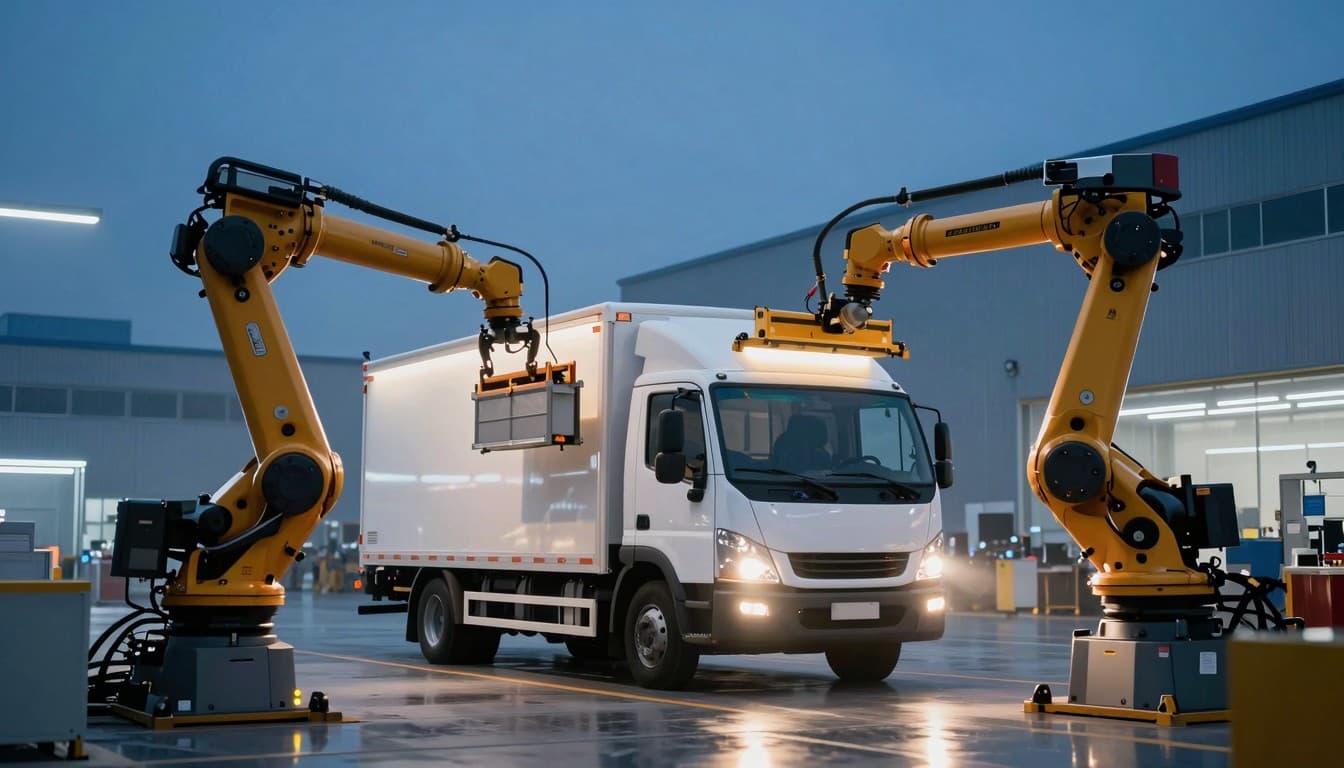
The moving industry in 2026 is a dynamic and often unpredictable landscape. We navigate a complex ecosystem characterized by volatile demand, tight labor markets, rising fuel costs, and customer expectations that demand instant gratification and flawless execution. For years, we've witnessed profit margins squeezed and operational headaches multiply as traditional approaches to resource allocation – often manual, reactive, and prone to human error – simply couldn't keep pace.
But what if we told you there’s a technological vanguard already transforming this landscape, orchestrating a seamless synthesis of demand and supply to unlock unprecedented Return on Investment (ROI)? This isn't a future prediction; it's our current reality, powered by sophisticated AI voice agents. By 2026, these intelligent systems have become indispensable, moving us beyond mere efficiency to a state of strategic operational mastery.
The Perennial Conundrum: Mover Demand-Supply Dynamics in 2026
The core challenge for any moving enterprise has always been the delicate balance between fluctuating customer demand and finite operational supply. This equilibrium, if mismanaged, can quickly erode profitability and customer trust.
Demand: In 2026, demand for moving services remains highly unpredictable. We face:
- Seasonal Spikes: Peak moving seasons, holidays, and specific academic calendars create predictable, yet intense, surges.
- Regional Variations: Economic shifts, new developments, or even local events can cause localized demand fluctuations.
- Last-Minute Requests: Customers increasingly expect immediate service, often leaving little lead time.
- Cancellations and Reschedules: These unforeseen changes create sudden gaps or overlaps in the schedule, requiring rapid adjustments.
Supply: Our operational supply, conversely, is constrained by tangible assets and human resources:
- Crews: Availability of trained, reliable moving professionals.
- Trucks: Fleet size, maintenance schedules, and specific vehicle types.
- Equipment: Specialized gear, packing materials, and storage units.
- Permits and Regulations: Navigating city-specific requirements for parking, loading, and unloading.
- Weather and Traffic: External factors that can significantly impact scheduling and transit times.
Misalignment between these two forces leads to severe consequences:
- Over-scheduling: Results in crew burnout, diminished service quality, increased overtime labor costs, and higher likelihood of errors.
- Under-scheduling: Leads to lost revenue opportunities, underutilized assets (trucks sitting idle), and potential customer dissatisfaction if we can't meet demand.
In 2026, with hyper-connected customers and razor-thin margins, the cost of inefficiency is higher than ever. The stakes demand a more intelligent, proactive solution.
AI Voice Agents: The Intelligent Nexus of Optimization
Enter AI voice agents. These are not merely automated answering machines; they are intelligent, perceptive entities capable of engaging in nuanced conversations, understanding complex intent, and dynamically adapting to customer needs in real-time. They operate 24/7, tirelessly processing inbound inquiries and proactively engaging potential customers, gathering the precise data points necessary to inform operational decisions.
Their capabilities extend far beyond basic information exchange. Powered by advanced Natural Language Understanding (NLU) and Generative AI, they can:
- Handle complex multi-turn dialogues.
- Discern subtle cues in customer sentiment and urgency.
- Extract granular details from unstructured conversations.
- Integrate seamlessly with our backend operational systems.
This makes them the ultimate nexus for synthesizing dynamic customer demand with our available operational supply.
Engineering Precision Demand Capture and Qualification
Our journey to optimal resource allocation begins with superior demand intelligence. AI voice agents excel here, acting as the ultimate front-line intelligence gatherers and qualifiers:
Granular Data Collection, Unmatched Context
Beyond simple origin and destination, AI voice agents meticulously ascertain:
- Move Size and Inventory Details: From a single room to a multi-bedroom house, including specific large items (pianos, safes) that require specialized equipment or additional crew members.
- Preferred Dates and Flexibility: Understanding not just the ideal move date but also the customer's flexibility to shift dates or times, which is crucial for dynamic scheduling.
- Special Requirements: Identifying needs like fragile item packing, disassembly/assembly services, long carries, stairs, elevator access, parking restrictions, or specific building management rules.
- Budget Considerations: Gauging the customer's budget expectations allows for tailored service proposals.
This rich, structured data, extracted directly from natural conversation, provides an unparalleled level of context for every lead.
Intent-Driven Qualification and Prioritization
Through sophisticated Natural Language Processing (NLP) and sentiment analysis, AI voice agents become expert qualifiers:
- Filtering Unqualified Leads: They efficiently identify casual inquiries or tire-kickers, preventing our human sales teams from wasting valuable time.
- Identifying High-Value Opportunities: By detecting urgency, budget alignment, and specific service needs, they prioritize high-probability, high-revenue moves.
- Strategic Market Seizure: As we explored in The Intent Intelligence Advantage: How AI Voice Agents Fuel Precision Service Delivery and Dynamic Market Seizure for Movers by 2026, understanding customer intent is paramount. Our AI agents leverage this intent intelligence to not just qualify, but to strategically position our services, ensuring our sales teams focus only on pre-qualified, high-probability opportunities that align with our strategic objectives.
Dynamic Pricing and Scheduling Prompts
Based on real-time availability and demand patterns, AI voice agents can offer optimized pricing options or suggest alternative dates/times, subtly steering demand to align with existing supply:
- Capacity-Based Pricing: If a specific crew or truck is underutilized next Tuesday, the AI can gently incentivize booking on that day with a slight discount or added value.
- Load Balancing: Conversely, if a particular slot is overbooked or highly sought after, the AI can present premium pricing or suggest less congested alternatives.
- Automated Scheduling: They can directly book appointments into our operational calendar, eliminating manual data entry and potential human error, all while adhering to pre-defined business rules for optimal resource utilization.
Dynamic Resource Allocation: Weaving Supply into the Demand Fabric
The true magic happens when this rich demand data, meticulously gathered and qualified, is fed directly into our operational ecosystem. AI voice agents transition from intelligence gatherers to the central nervous system, translating conversational intelligence into actionable logistical commands that optimize our supply:
Real-time Crew Scheduling Optimization
By knowing precisely what is needed when and where, AI-powered systems can dynamically adjust crew assignments:
- Minimizing Deadhead Miles: Intelligent routing algorithms, informed by AI demand data, reduce travel time between jobs, significantly cutting fuel costs and increasing productive work hours.
- Optimal Skill-Set Matching: Ensures the right team with the right skills (e.g., experienced movers for fragile items, technicians for complex installations) and equipment is dispatched to each job.
- Predictive Absence Management: AI can analyze historical data to predict potential crew absences and proactively suggest adjustments, minimizing last-minute scrambles.
Maximizing Fleet and Equipment Utilization
AI plays a critical role in ensuring our most valuable assets are continuously productive:
- Identifying Underutilized Assets: The system flags vehicles and equipment that are idle, proactively matching them to newly acquired jobs or suggesting internal transfers between depots to maximize asset ROI.
- Preventative Maintenance Scheduling: Predictive analytics can even flag maintenance needs based on usage patterns gleaned from job assignments, preventing costly breakdowns and ensuring fleet readiness.
- Right-Sizing Deployment: Ensures that a small move isn't assigned a large, fuel-inefficient truck, and a large move has sufficient capacity.
Mitigating Operational Volatility with Agility
Cancellations, sudden changes, or unexpected delays are no longer catastrophic events; they become opportunities for optimization:
- Rapid Reallocation: If a customer cancels, the AI voice agent not only handles the interaction but immediately flags the freed-up capacity (crew, truck, time slot). This information is instantly available to the system, allowing for rapid reallocation or offering the slot to other pending leads.
- Demand Surge Management: Conversely, a surge in demand in a specific area triggers alerts for potential resource reallocation, temporary external partnerships, or dynamic pricing adjustments, ensuring no lead is lost due to perceived unavailability.
- Dynamic Route Adjustment: Integrating with real-time traffic and weather data, AI can suggest immediate route changes or reschedule minor jobs to maintain peak efficiency.
Strategic Slot Management for Profitability
Imagine an AI voice agent interacting with a customer, identifying their needs, and simultaneously querying our real-time operational database to present only available slots that fit our optimal capacity model – automatically accounting for crew availability, truck size, estimated job duration, and even profitability margins. This isn't just booking a job; it's strategically placing a chess piece on the board for maximum advantage, ensuring every booking contributes optimally to our bottom line.
The ROI Imperative: Quantifiable Returns by 2026
The seamless synthesis engineered by AI voice agents delivers direct, measurable ROI that is fundamentally reshaping mover profitability and operational benchmarks by 2026:
- Increased Resource Utilization: We see more jobs per truck, more productive hours per crew, drastically reducing idle time and raising asset utility rates across the board.
- Reduced Operational Costs: Significant cuts in fuel consumption through optimized routing, reduced overtime pay due to better scheduling, and minimized equipment wear-and-tear contribute directly to the bottom line.
- Enhanced Revenue Capture: Fewer lost leads due to immediate, 24/7 engagement and intelligent qualification. The ability to dynamically price and schedule maximizes revenue per job.
- Superior Customer Experience: Instant responses, accurate information, and flexible scheduling options lead to demonstrably higher satisfaction, resulting in positive reviews, increased referrals, and invaluable repeat business.
- Accelerated Capital Velocity: By optimizing every step from initial inquiry to booking to job completion and payment, we significantly shorten the revenue cycle, ensuring cash flows faster back into the business. Building on the concepts of Accelerating Capital Velocity: How AI Voice Agents Shorten the Mover Revenue Cycle and Boost ROI by 2026, this real-time optimization directly impacts our ability to reinvest and expand, fueling continuous growth.
- Scalable Growth: A system that can automatically balance dynamic demand and finite supply allows for effortless scaling into new markets or handling increased volume without proportionate increases in overhead or administrative burden. This creates a truly antifragile business model.
Beyond Efficiency: Strategic Implications for Mover Businesses
The impact of AI voice agents extends far beyond day-to-day operational efficiency. They are fundamentally changing how we strategize and compete, providing a profound competitive advantage:
- Data-Driven Strategic Planning: The aggregated data from AI interactions provides unprecedented insights into market trends, customer preferences, and operational performance. This informs everything from targeted marketing campaigns to fleet acquisition decisions and workforce planning.
- Predictive Analytics for Future Forecasting: By analyzing historical patterns, real-time inputs, and external factors, AI can predict future demand fluctuations with remarkable accuracy, allowing for proactive resource positioning months in advance.
- Competitive Differentiation: While competitors struggle with manual processes, our optimized operations enable us to offer more competitive pricing, faster service, and greater flexibility, establishing a clear market advantage and superior service reputation.
- Enhanced Enterprise Valuation: A business capable of consistently generating higher ROI through optimized operations, reduced risk, and scalable growth is inherently more valuable. AI voice agents become a core asset contributing to a higher enterprise valuation.
Implementation Checklist for 2026 Adoption
For businesses ready to embrace this new paradigm and secure their market position by year-end 2026, here’s a critical checklist for successful AI voice agent integration:
- Comprehensive Operational Audit: Conduct a thorough review of current bottlenecks in demand capture, lead qualification, scheduling, and resource allocation. Pinpoint areas where manual effort is high and errors are frequent.
- Define AI Integration Points: Clearly identify where AI voice agents can most effectively augment or replace human interaction in the customer journey and operational pipeline. This might start with lead qualification and extend to scheduling changes, FAQs, and even post-move follow-ups.
- Pilot Program & Phased Rollout: Begin with a focused pilot project to validate ROI, refine AI parameters, and gather crucial feedback before scaling across the entire operation. This allows for iterative improvement and minimizes disruption.
- Integrate with Existing Systems: Ensure seamless, real-time data flow between AI voice agents, Customer Relationship Management (CRM), Enterprise Resource Planning (ERP), scheduling software, and telematics systems. This is non-negotiable for true demand-supply synthesis.
- Establish Robust Monitoring & Analytics: Continuously track key performance indicators (KPIs) such as utilization rates, lead conversion rates, cost savings, and customer satisfaction scores. Leverage AI-driven insights for ongoing optimization and iterative improvement of agent performance.
- Empower Your Team: Train human agents to leverage the advanced insights provided by AI. Shift their focus from repetitive tasks and data entry to high-value problem-solving, complex customer relationship management, and strategic oversight, evolving their roles into strategic facilitators.
- Data Governance & Security: Implement robust protocols to ensure customer data privacy, compliance with industry regulations, and system security. Trust in the AI system is paramount.
Conclusion
In the fiercely competitive moving landscape of 2026, the ability to flawlessly synthesize dynamic customer demand with finite operational supply is no longer a luxury; it's a strategic imperative for survival and growth. AI voice agents stand as the lynchpin of this transformation, moving us beyond simple automation to intelligent orchestration. They are engineering optimal resource allocation, dramatically reducing operational costs, significantly boosting revenue capture, and delivering an unrivaled ROI that positions forward-thinking mover businesses for sustained, exponential growth. The future of moving is here, and it speaks with an intelligent voice, harmonizing every operational facet for maximum profitability and a truly differentiated service experience.