Driving the Change: The Future of Autonomous Trucks in Local Moving
Autonomous vehicles are poised to transform short-haul logistics. We explore the timeline, challenges, and competitive edge for local moving companies leveraging this shift.
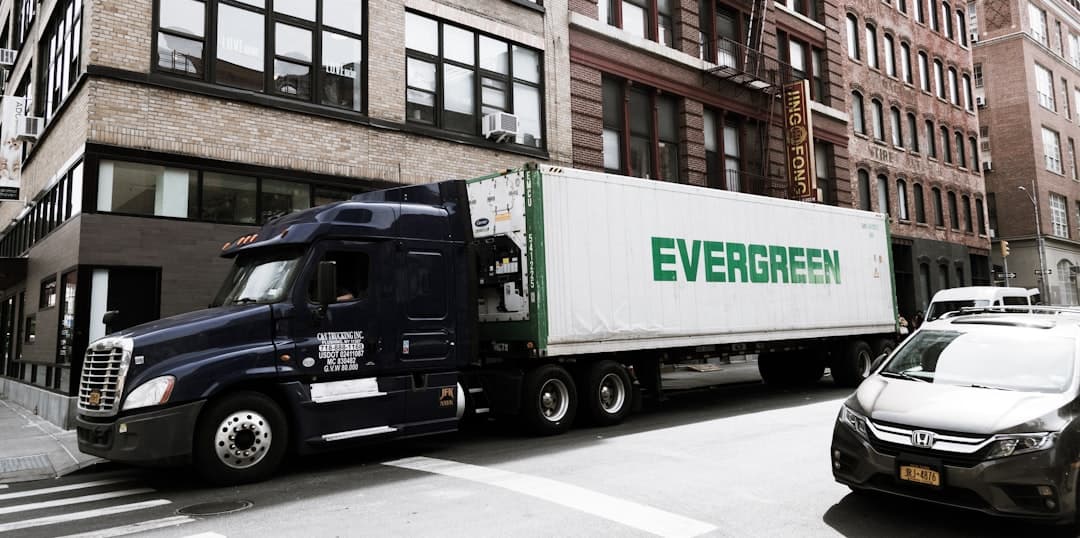
The local moving industry is defined by efficiency, reliability, and above all, tight schedules. However, high labor costs, driver shortages, and urban congestion constantly challenge margins.
Enter the autonomous truck. While much of the initial conversation around self-driving logistics has focused on long-haul trucking (navigating interstate highways), the technology is rapidly maturing and shifting its focus toward the complex, high-value world of urban and short-haul delivery—a space dominated by local movers.
For moving company owners, this isn't science fiction; it's a looming operational reality. Understanding the timeline and integration points of autonomous vehicles is key to securing a massive competitive advantage in the next five to ten years.
The Autonomous Shift: Why Local Moving is Next
Autonomous trucking promises efficiency, but its integration into the local moving ecosystem presents unique hurdles that require sophisticated technological solutions—often requiring the same AI frameworks that drive platforms like MoveCall.
From Highway Hauls to City Streets
Long-haul autonomy solves the fatigue problem over predictable routes. Local moving autonomy, conversely, must solve the complexity problem. Local moving routes involve:
- Unpredictable Environments: Narrow streets, low-hanging branches, spontaneous construction zones, and school zones.
- Complex Parking Scenarios: Negotiating permits and tight spaces in dense urban areas.
- Human Interaction: Coordinating safe movement around crews, customers, and bystanders.
Progress in Lidar, high-definition mapping, and deep learning algorithms is quickly enabling Level 4 autonomy (high automation, geofenced) to tackle these challenges. However, the true benefit won't be realized by simply replacing the driver; it will be achieved by integrating this vehicle technology with comprehensive operational automation.
Addressing the Labor Crisis
The driver shortage remains one of the most pressing issues in logistics. While local moving requires drivers who also serve as crew leads and movers, the simple act of transporting the load from Point A to Point B is often the bottleneck.
Autonomous trucks offer a solution by potentially allowing one highly skilled crew leader to manage the physical labor while the vehicle navigates itself to the next destination or back to the depot for unloading.
By automating the driving component, valuable staff time can be reallocated to sales support or inventory coordination—similar to the operational advantage seen with The 20-Hour Advantage: How AI Voice Agents Reshape Moving Company Operations. This fundamental shift allows moving companies to maximize the utilization of their most valuable asset: their skilled, non-driving labor.
Practical Applications and Expected Timeline
When will we actually see a self-driving moving truck pull up to a suburban house? Implementation will occur in phases, prioritizing safety and regulatory compliance.
Phase 1: The 'Yard-to-Yard' Model (Near Future)
The initial widespread application will likely focus on predictable, repetitive routes between secure, private logistics hubs. For large moving companies with regional storage facilities or dedicated warehousing, autonomous shuttles can manage internal transfers and feeder routes from a central depot to a local satellite facility.
This eliminates highly structured depot-to-depot drives from the crew's daily responsibilities, reducing administrative burden and fuel waste almost immediately.
Phase 2: Geofenced Local Hauls (Mid-Term)
As regulatory frameworks catch up, autonomous trucks will be cleared for low-complexity local routes. Think moving standardized, pre-packed corporate inventory between two business parks or handling short, repetitive interstate moves within a tightly defined corridor.
This allows movers to significantly increase truck utilization and tackle higher volume jobs without proportionally increasing their payroll. Using autonomy will allow companies to better focus on core growth initiatives, a topic we covered in detail in our guide on How to Scale Your Moving Business from 3 to 10 Trucks using Automation.
The 'Final Mile' Challenge: Seamless Hand-Offs
The most complex hurdle remains the final mile—the moment the vehicle leaves the main road and enters the residential drive or tight urban alley. This task requires a complex interplay of human judgment (where is the safest spot to park?) and advanced AI integration.
This is where AI platforms become critical. Autonomous vehicles will need to communicate precisely with the human crew on site, potentially using sophisticated AI inventory management systems to verify load completion or even integrate with customer communication platforms to notify the client of the estimated time of arrival without human intervention.
Integrating Autonomy with Modern Moving Operations
Autonomous trucks are just a large, moving extension of the comprehensive automation strategy modern movers are already adopting.
Synergy with Existing AI Tools
Autonomy must integrate seamlessly with the digital tools moving companies rely on every day.
- AI Inventory Management: Autonomous loading/unloading systems (while still emerging) will require precise manifests. Vehicles will need to transmit real-time GPS data that updates the digital inventory checklist, ensuring no items are left behind and claims are reduced.
- Predictive Scheduling: Data generated by autonomous routes—such as highly accurate street-level traffic patterns and specific time-on-site metrics—feeds directly into MoveCall’s scheduling and pricing algorithms, providing highly accurate quotes and dispatch times.
- Customer Communication: If an autonomous truck is rerouted due to unexpected construction, AI customer service tools can automatically communicate the delay to the customer, maintaining the crucial service quality expected by today's clients.
Autonomous vehicles are just one piece of the future puzzle. The real competitive edge comes from combining them with digital tools, as detailed in How AI is Revolutionizing Moving Companies in 2025.
The Competitive Edge
The movers who embrace autonomy early will gain several profound advantages:
| Advantage | Description |
|---|---|
| Reduced Operational Costs | Significant long-term savings on driver wages, fuel efficiency optimized by AI driving, and reduced insurance premiums (as autonomous vehicles are statistically safer). |
| 24/7 Asset Utilization | Trucks can run shuttle routes overnight without human fatigue constraints, maximizing the use of expensive rolling assets. |
| Focus on Core Service | Staff time shifts from the transactional act of driving to high-value activities: packing, loading, customer interaction, and quality control. |
The future of autonomous trucks in local moving is not about eliminating jobs; it’s about redefining them. It’s about leveraging technology to handle the tedious, costly aspects of logistics so your human team can focus on the critical, customer-facing tasks that build reputation and drive revenue.
Ready to ensure your moving operation is prepared for the automated future? Start by integrating the AI tools that maximize efficiency today and are built to sync with the logistics innovations of tomorrow.
Visit MoveCall.io and discover how our leading AI voice assistant platform can streamline your sales process, manage leads instantly, and position your company as a forward-thinking leader in the new era of logistics.